
Overview
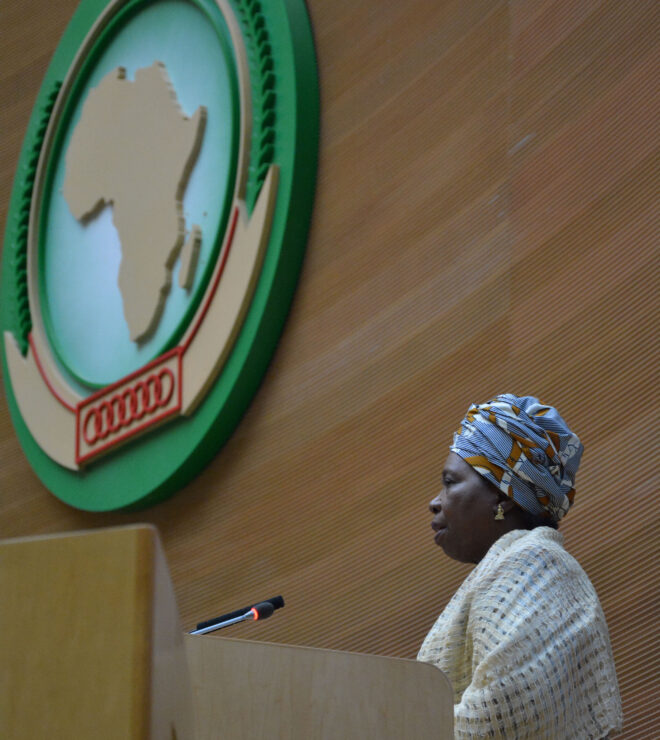
The Nkosazana Dlamini Zuma Foundation (NDZF) is a non-profit organization dedicated to the empowerment of African communities through education, healthcare, gender equality, and sustainable development. Inspired by the life and legacy of Dr. Nkosazana Dlamini Zuma, the Foundation seeks to build a continent where opportunity, dignity, and justice are accessible to all.
Founded with a vision of an Africa that thrives through unity, knowledge, and innovation, NDZF focuses on grassroots change by supporting programs that uplift youth, empower women, and advance public health. We believe in the power of community-driven solutions and are committed to partnering with local organizations, government bodies, and international allies to create lasting impact.
Through mentorship initiatives, skills development, health outreach, and advocacy, the Foundation is contributing to the African Union’s Agenda 2063 – “The Africa We Want.” We are driven by values of integrity, inclusion, compassion, and excellence.
Our Vision
We envision a dynamic and prosperous Africa where agriculture thrives, infrastructure connects communities, and skills development empowers individuals. Our goal is to champion an integrated approach that fosters economic resilience, elevates livelihoods, and nurtures sustainable practices across the continent.
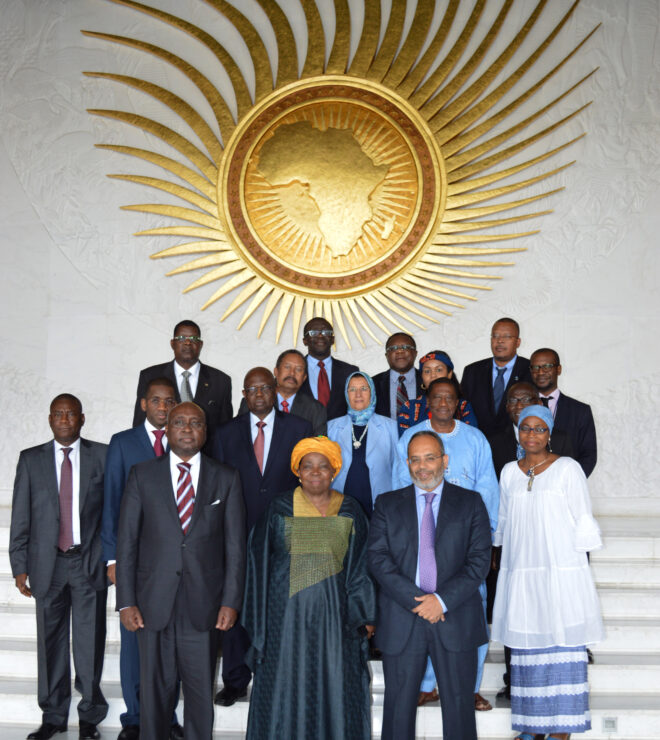
We believe that Africa’s vast agricultural potential can drive food security, economic growth, and environmental sustainability. Our foundation is dedicated to supporting innovative agricultural practices that enhance productivity, promote sustainable land management, and empower smallholder farmers through training and access to resources. We envision a continent where agricultural systems not only build resilience to climate change but also serve as engines of economic opportunity for all.
In parallel, we recognize that robust infrastructure is the backbone of progress. We aspire to facilitate the development of essential infrastructure —roads, transportation systems, energy solutions, and digital connectivity — that unites rural and urban areas, enables trade, improves access to markets, and enhances the quality of life for all citizens. Our commitment is to advocate for infrastructure investments that are equitable, sustained, and responsive to the unique needs of diverse communities across Africa.
Equipped with the right skills, individuals can transform their potential into reality. Our foundation champions educational initiatives that enhance vocational training, capacity building, and ensure that people have the tools and knowledge required to adapt to a rapidly changing economy. We aim to cultivate a culture of lifelong learning and innovation, empowering the next generation of African leaders, entrepreneurs, and skilled professionals. Foundation seeks to be a catalyst for collaborative partnerships among governments, the private sector, civil society, and local communities.
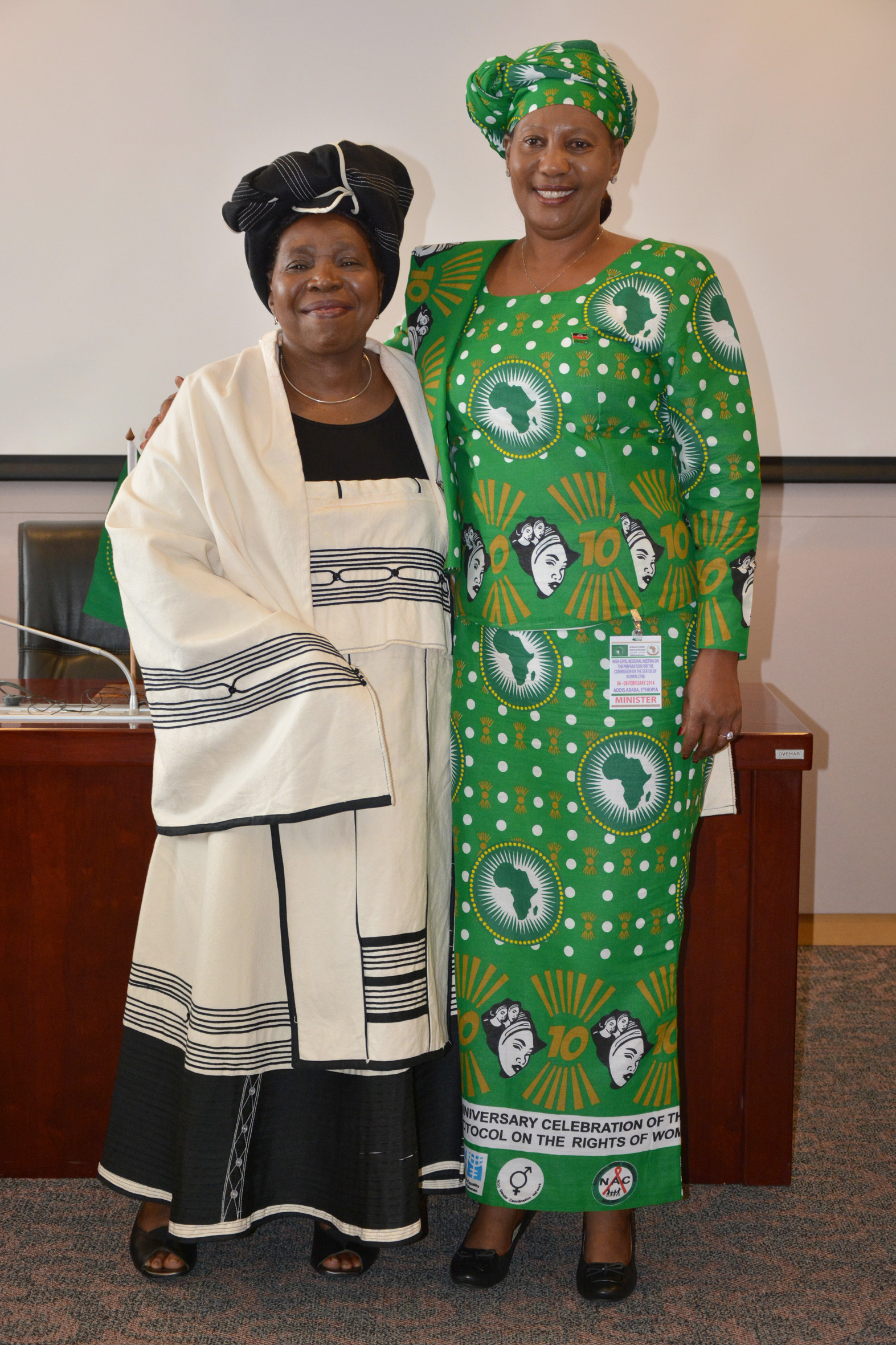
Together, we will create an ecosystem of shared responsibility, driving transformative changes and advancing sustainable development goals across the continent. As we work towards this vision, we remail steadfast in our commitment to inclusivity, equity, and environmental stewardship ensuing that the benefits of progress are shares by all, specially the most vulnerable. We envision a future where Africa is not only self-reliant but also a beacon of opportunity-a place where every community has the capacity to thrive innovate, and inspire global change.
Join us in shaping this vision for a brighter, sustainable, and prosperous Africa.
Our Mission
To champion Agenda 2063 by catalysing action in agriculture, skills, and infrastructure through evidence-based programs that empower African citizens, especially youth and women, fostering social justice and economic equity.
Objectives
- Educate and Engage: Raise awareness of Agenda 2063’s aspirations and implementation, empowering African people to contribute within their communities.
- Support AU and RECs: Collaborate with the African Union Commission, Regional Economic Communities (RECs), African Union Development Agency-NEPAD (AUDA-NEPAD), and other agencies to promote Agenda 2063.
- Advocate for Flagship Projects: Drive stakeholder engagement to advance initiatives like the Comprehensive Africa Agriculture Development Programme (CAADP), Programme for Infrastructure Development in Africa (PIDA), and African Continental Free Trade Area (AfCFTA).
- Foster Sustainable Development: Implement programs in agriculture, skills, and infrastructure to address systemic challenges and promote self-reliance.
Background
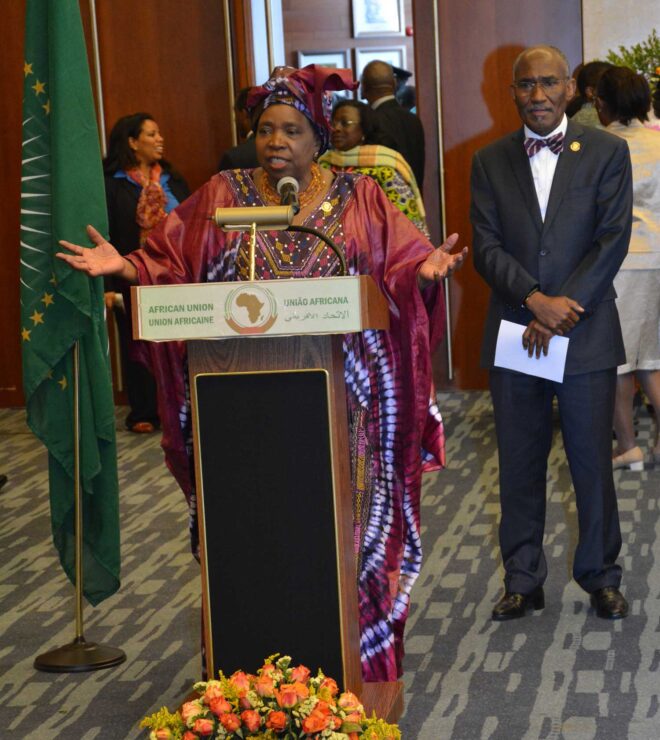
In 2013, marking the 50th anniversary of the Organization of African Unity (OAU)/African Union (AU), the AU Summit launched Agenda 2063, a 50-year blueprint for inclusive and sustainable development. Spearheaded by Dr. Dlamini-Zuma, Agenda 2063 integrates frameworks like the Lagos Plan of Action, Abuja Treaty, and the New Partnership for Africa’s Development (NEPAD), alongside flagship initiatives such as the Comprehensive Africa Agriculture Development Programme (CAADP), the Programme for Infrastructure Development in Africa (PIDA), and the African Continental Free Trade Area (AfCFTA). Organized around 10 aspirations, it aims to transform Africa into a global powerhouse.
The first 10-year plan (2013–2023) achieved milestones like the operationalization of the African Continental Free Trade Area (AfCFTA), yet challenges remain, including incomplete domestication by member states and ongoing conflicts. Now in its second 10-year phase, Agenda 2063 enjoys broad sectoral support, unlike earlier policy-driven frameworks. The NDZ Foundation steps into this gap, reigniting momentum by empowering African people and advancing flagship projects, in collaboration with the African Union Development Agency-NEPAD (AUDA-NEPAD) and Regional Economic Communities (RECs).
Quick Links
Copyright © 2025 Nkosazana Dlamini-Zuma | All Rights Reserved